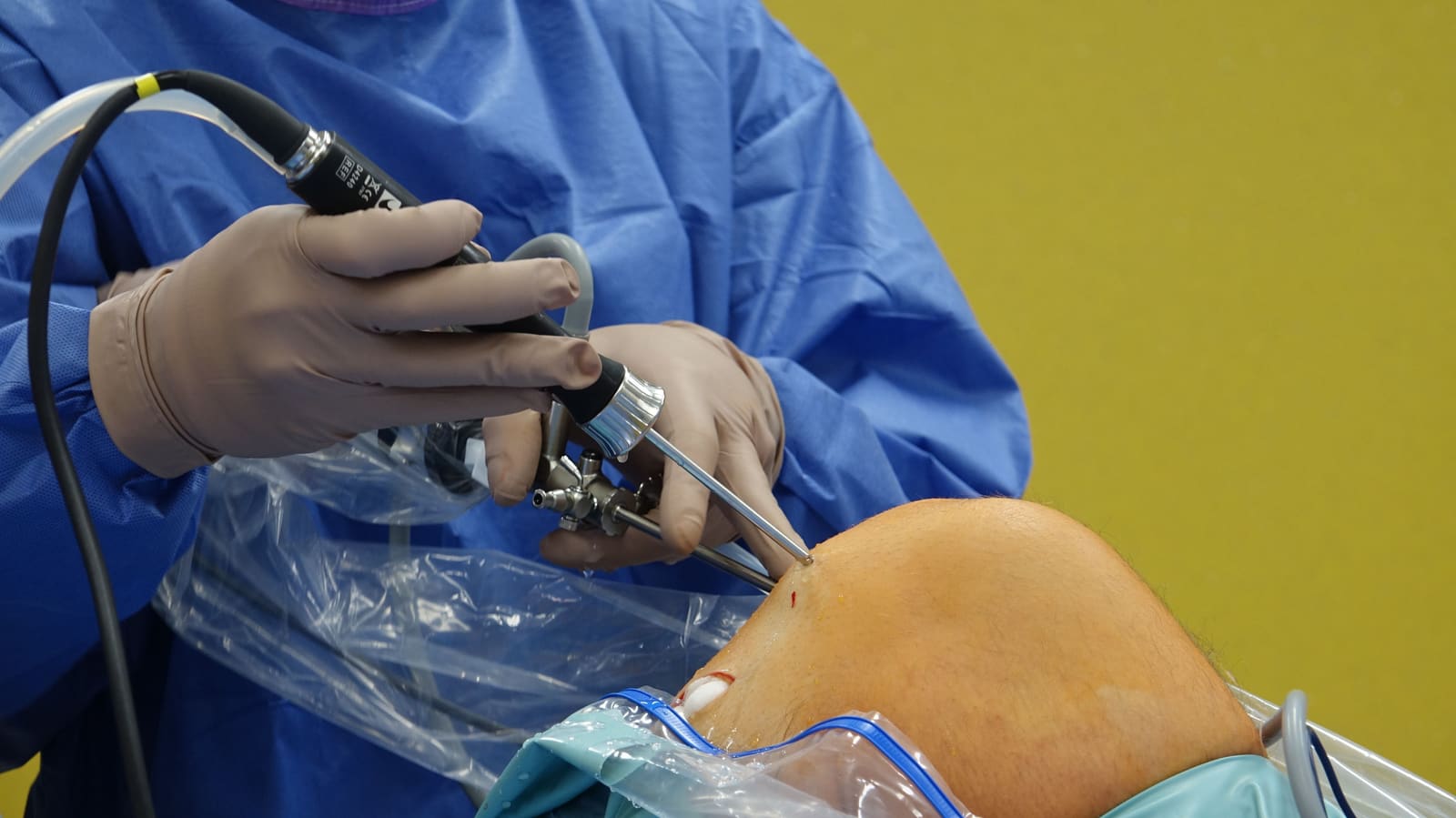
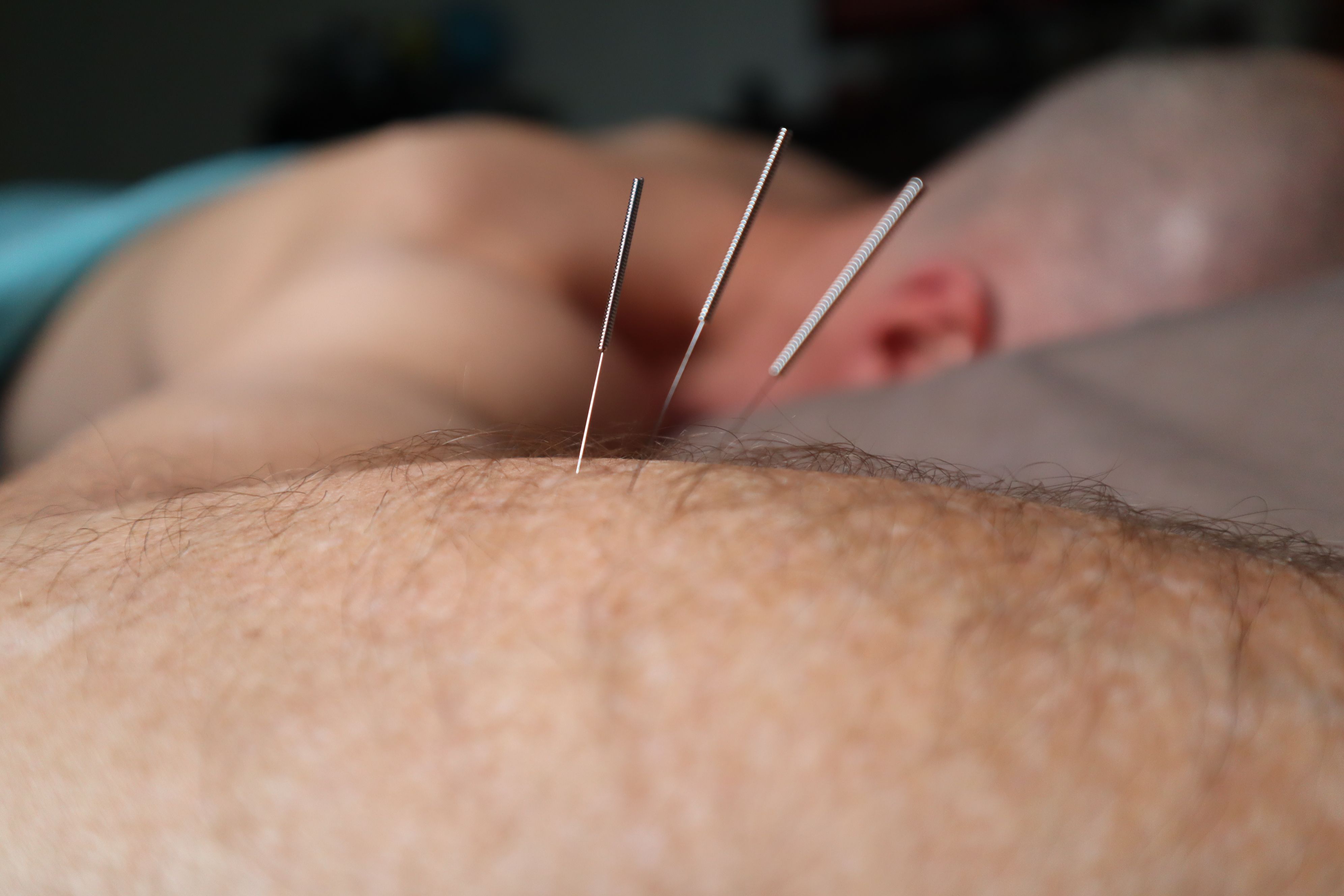
Both involve fine needles, but the intention, technique, and evidence base differ significantly. We break it down clearly.
Key Takeaways
Both use the same thin monofilament needles but target completely different anatomical structures.
Acupuncture is grounded in Traditional Chinese Medicine (meridians, qi); dry needling in Western musculoskeletal anatomy (trigger points).
NICE (2021) recommends acupuncture for chronic primary pain when other treatments have failed.
Dry needling has Level I–II evidence for reducing pain and improving function in myofascial pain syndrome.
The two techniques are complementary, not competing — the choice depends on the clinical presentation.
Same Tool, Different Map
The needle is identical: a thin, solid, monofilament stainless steel needle between 0.16 and 0.35mm in diameter. What differs fundamentally is the conceptual map used to decide where to insert it and why.
Acupuncture follows the meridian system of Traditional Chinese Medicine (TCM) — a network of 12 principal channels through which vital energy (qi) flows. Disruptions to this flow are understood as the root of disease. Needling specific acupoints is intended to restore balance and stimulate the body's self-healing mechanisms.
Dry needling, by contrast, follows Western neuroanatomy. Its targets are myofascial trigger points (MTrPs): hyperirritable spots within a taut band of skeletal muscle that produce local and referred pain. The technique aims to elicit a localised twitch response (LTR) — an involuntary spinal reflex — that disrupts the dysfunctional motor endplate activity underlying the trigger point.
The Science Behind Trigger Points
The trigger point model, developed by Travell and Simons in the 1980s, proposes that MTrPs result from excessive acetylcholine release at the neuromuscular junction, leading to sustained sarcomere contraction, local ischaemia, and a cascade of sensitising substances.
The localised twitch response provoked by dry needling has been shown to reduce the concentration of inflammatory mediators (including substance P, calcitonin gene-related peptide, and bradykinin) in the immediate tissue environment. This neurochemical shift is associated with both immediate pain relief and longer-term desensitisation.
What the Evidence Says
For acupuncture, the highest-quality evidence comes from a large individual patient data meta-analysis by Vickers et al. (2018), pooling data from 39 randomised controlled trials and over 20,000 patients. The findings confirmed that acupuncture is superior to both sham acupuncture and no acupuncture for chronic musculoskeletal pain, headache, and osteoarthritis — with effects that persist over time.
For dry needling, systematic reviews and meta-analyses support its effectiveness for reducing pain intensity and improving pressure pain threshold in myofascial pain syndrome, with Level I–II evidence for cervical, shoulder, and lumbar applications. The 2021 NICE guideline NG193 now recommends acupuncture (including dry needling within a physiotherapy context) as a treatment option for chronic primary pain.
Vickers et al. (2018, JAMA): Acupuncture produced clinically meaningful pain reductions that persisted at 12-month follow-up, and effects were not fully explained by placebo response.
Which One Is Right for You?
The clinical decision depends on the nature of the pain and the patient's presentation. Dry needling is particularly indicated when there is a clear myofascial component — identifiable taut bands, referred pain patterns, and restricted range of motion that correlates with trigger point maps. Acupuncture may be preferred in systemic, complex, or chronic pain presentations where the musculoskeletal component is less localised.
At Iris, our physiotherapists use dry needling as one tool within a broader musculoskeletal assessment — always integrated with manual therapy, exercise prescription, and patient education, never as a standalone intervention.
Scientific References
- 1.Vickers AJ et al. (2018). Acupuncture for Chronic Pain: Update of an Individual Patient Data Meta-Analysis — JAMA
- 2.NICE Guideline NG193 (2021). Chronic pain (primary and secondary) in over 16s
- 3.Dunning J et al. (2014). Dry needling: a literature review with implications for clinical practice — Physical Therapy Reviews
- 4.Shah JP et al. (2015). Myofascial trigger points then and now — PM&R