Sequential compression therapy is increasingly used to reduce swelling and promote healing after major orthopaedic surgery.
Key Takeaways
Pressotherapy (intermittent pneumatic compression) mimics the natural lymphatic pump, moving interstitial fluid from the periphery toward the lymph nodes.
Strong clinical evidence supports its use in the management of lymphoedema and post-surgical oedema.
In orthopaedic recovery, early IPC use reduces limb swelling, improves circulation, and may accelerate return to mobilisation.
Growing evidence supports sports recovery applications: reduction of DOMS, improved venous return, and faster lactate clearance.
Sessions typically last 20–40 minutes. Contraindications include DVT, active infection, and severe arterial insufficiency.
What Is Pressotherapy?
Pressotherapy — also known as intermittent pneumatic compression (IPC) therapy — uses an inflatable garment (typically a sleeve, boot, or full-leg chamber) connected to a compression device that inflates and deflates in a controlled, sequential pattern. The compression waves travel from the distal extremity (foot or hand) progressively toward the proximal lymph nodes, mimicking and augmenting the natural mechanism of lymphatic drainage.
Unlike static compression (bandaging or compression stockings), IPC is dynamic: it actively propels interstitial fluid and lymph through the vessels, overcoming the reduced intrinsic lymphatic pump activity that occurs in conditions of surgical trauma, immobility, or lymphatic damage.
How It Works: The Physiology
The lymphatic system is a low-pressure network responsible for returning approximately 2–4 litres of interstitial fluid to the venous circulation daily. Unlike the cardiovascular system, the lymphatics have no central pump — fluid movement depends on intrinsic smooth muscle contractions in the lymphangions, respiratory pressure gradients, and muscle movement.
After surgery, the normal mechanisms that drive lymphatic flow are disrupted: tissue trauma increases capillary permeability and interstitial fluid production; pain and immobility reduce the muscle-pump activity that drives lymph flow; and in some procedures, lymphatic vessels are directly damaged. The result is oedema — fluid accumulation in the interstitial space.
IPC restores net fluid movement by applying graduated external pressure that exceeds the local interstitial pressure, compressing the superficial lymphatic and venous vessels and propelling fluid centrally. This reduces oedema volume, improves local tissue oxygenation, and creates the conditions for more effective healing.
Post-Surgical Applications
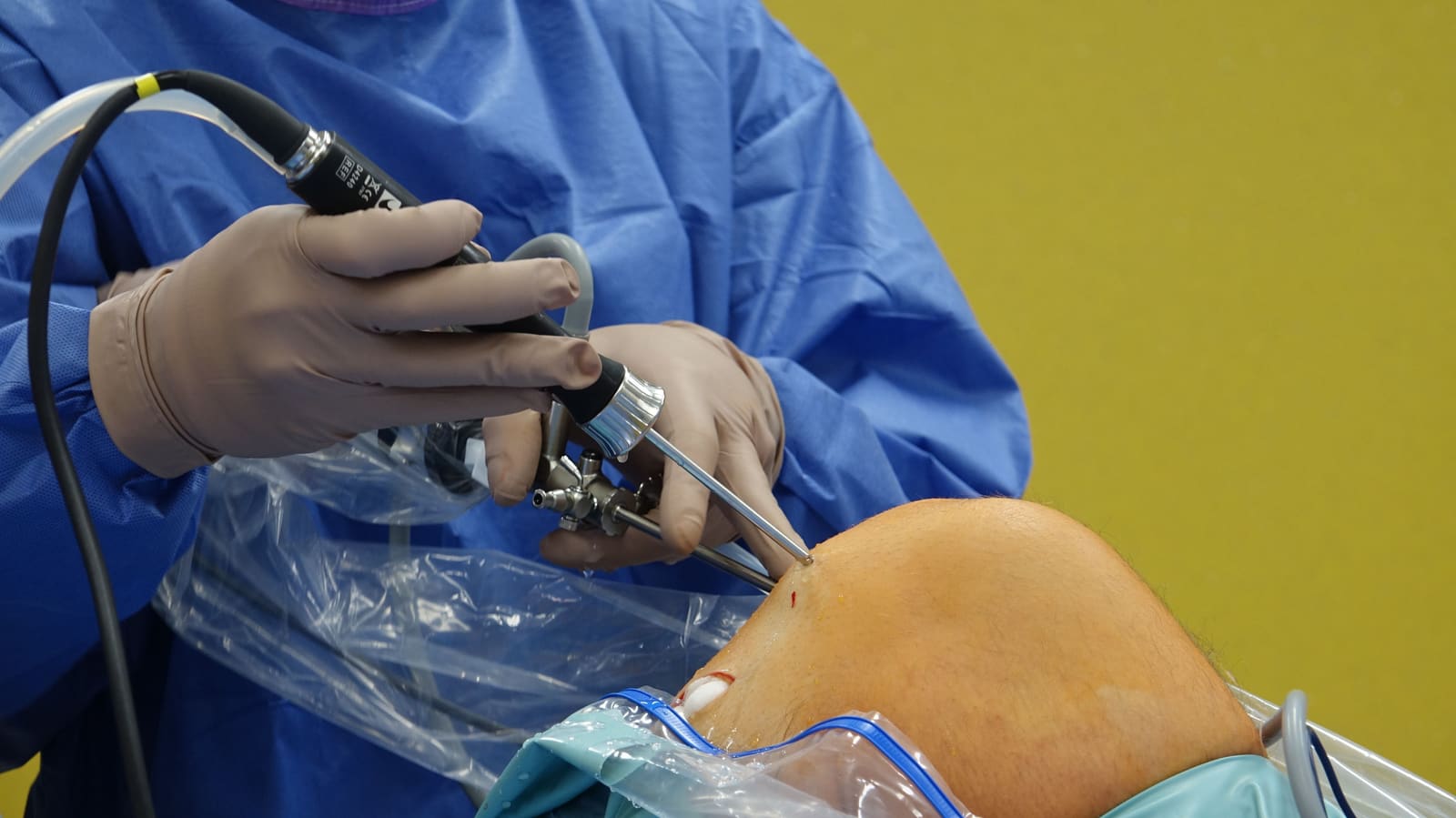
The most robust evidence for IPC exists in the post-surgical context. In total knee arthroplasty (TKA), multiple randomised controlled trials have demonstrated that early IPC — applied from the first post-operative day — significantly reduces knee circumference at 24 and 48 hours, reduces drain output, and shortens the time to adequate knee flexion for safe discharge.
A systematic review by Ihejirika et al. (2017) found that IPC after TKA produced a statistically significant reduction in post-operative swelling and a trend toward earlier mobilisation. In anterior cruciate ligament reconstruction, IPC is used in the early post-operative phase to manage joint effusion and reduce pain during the initial exercises.
Beyond orthopaedic surgery, IPC is standard practice in the management of secondary lymphoedema after breast cancer treatment (axillary node dissection), with strong evidence from the Cochrane review by Huang et al. (2013) supporting its effectiveness in reducing limb volume.
Early application matters: IPC initiated within 24 hours of surgery consistently produces better oedema outcomes than delayed application.
Sports Recovery: What Elite Athletes Use It For
Beyond the clinical setting, IPC has become a standard recovery tool in professional sport. The physiological rationale is well-supported: after intense exercise, venous pooling in the lower limbs, metabolic waste accumulation (lactate, inflammatory mediators), and micro-damage to muscle fibres all contribute to delayed-onset muscle soreness (DOMS) and impaired performance in subsequent sessions.
IPC accelerates venous return, reduces tissue oedema related to exercise-induced micro-trauma, and — according to some studies — may improve lactate clearance rates. A study by Sands et al. (2015) in elite gymnasts found that a single 20-minute IPC session produced greater subjective recovery and lower perceived soreness scores compared to passive rest, without differences in blood lactate values. A 2021 systematic review in the Journal of Sport Rehabilitation found moderate evidence for IPC reducing DOMS at 24 and 48 hours after intense lower-limb exercise.
What to Expect During a Session at Iris
A pressotherapy session at Iris lasts 20–40 minutes. The patient is positioned comfortably — typically lying supine — with the compression garment applied to the area of treatment. Pressure parameters (compression magnitude, cycle duration, and gradient pattern) are adjusted based on the clinical objective: lower pressures for pure relaxation and circulation; higher, graduated pressures for active oedema management.
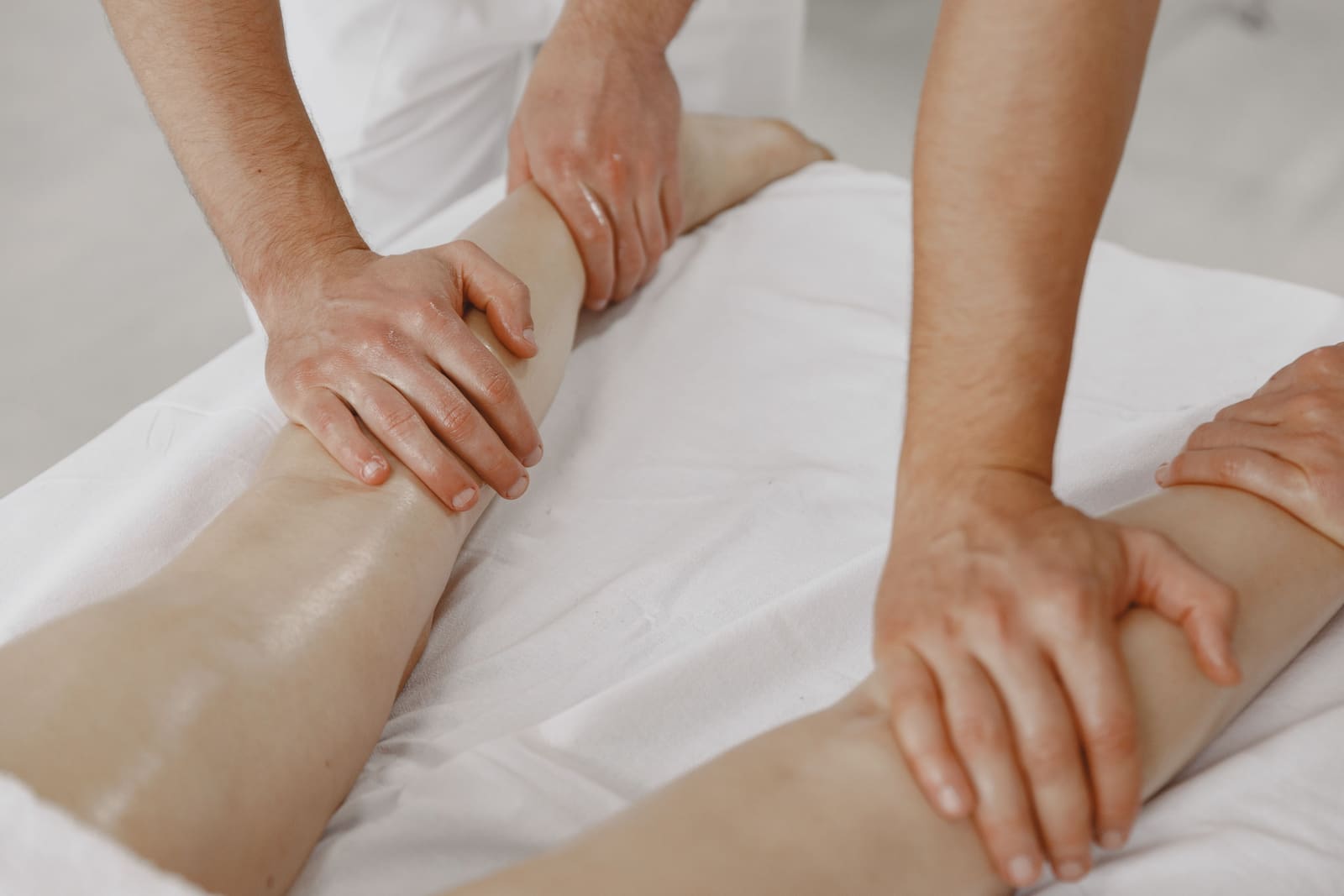
The sensation is one of rhythmic, firm pressure that travels progressively from the foot or ankle upward. Most patients find it comfortable to deeply relaxing. There is no pain involved. Pressotherapy is always integrated within our broader recovery programme — combined with manual lymphatic drainage, exercise prescription, and, where appropriate, compression garment fitting.
Contraindications
- Deep vein thrombosis (DVT) or pulmonary embolism — IPC can dislodge a thrombus.
- Active infection or cellulitis in the treatment area — compression may spread infection.
- Severe arterial insufficiency (ABI <0.8) — compression reduces arterial perfusion.
- Decompensated cardiac failure — IPC increases venous return and may overload a failing heart.
- Active malignancy in the treatment region — IPC may facilitate metastatic spread.
- Acute fractures before fixation — compression is contraindicated over fracture sites.
Scientific References
- 1.Huang TW et al. (2013). Effectiveness of manual lymphedema drainage and deep tissue massage — Cochrane Database
- 2.Ihejirika RC et al. (2017). The Efficacy of Intermittent Pneumatic Compression in the Prevention of DVT After TKA — HSS Journal
- 3.Sands WA et al. (2015). Intermittent Pneumatic Compression Enhances Recovery — Journal of Strength and Conditioning Research
- 4.Zaleska M et al. (2014). Pressotherapy speeds up manual lymph drainage in postmastectomy lymphedema — Lymphology