The 2026 FIFA World Cup's expanded 48-team format, three-nation hosting, and compressed fixture list have pushed sports physiotherapy to the centre of tournament performance. Here's what the science says about protecting players.
Key Takeaways
The 2026 tournament expands to 48 teams and 104 matches across the United States, Mexico, and Canada — the most physically demanding format in World Cup history.
Lower-limb injuries (ankle, knee, thigh, and calf) dominate the injury profile, according to FIFA's own venue medical staff.
The FIFA 11+ neuromuscular warm-up programme reduces overall injury incidence by roughly 30–46% in randomised controlled trials, when performed consistently over 10–12 weeks.
Post-match recovery protocols combining cold-water immersion, compression garments, and sleep optimisation measurably improve next-day jump performance and reduce perceived soreness.
Travelling across three countries with different climates and altitudes — including Mexico City at 2,240m — adds a layer of physiological load that recovery planning must account for.
The Most Physically Demanding World Cup in History
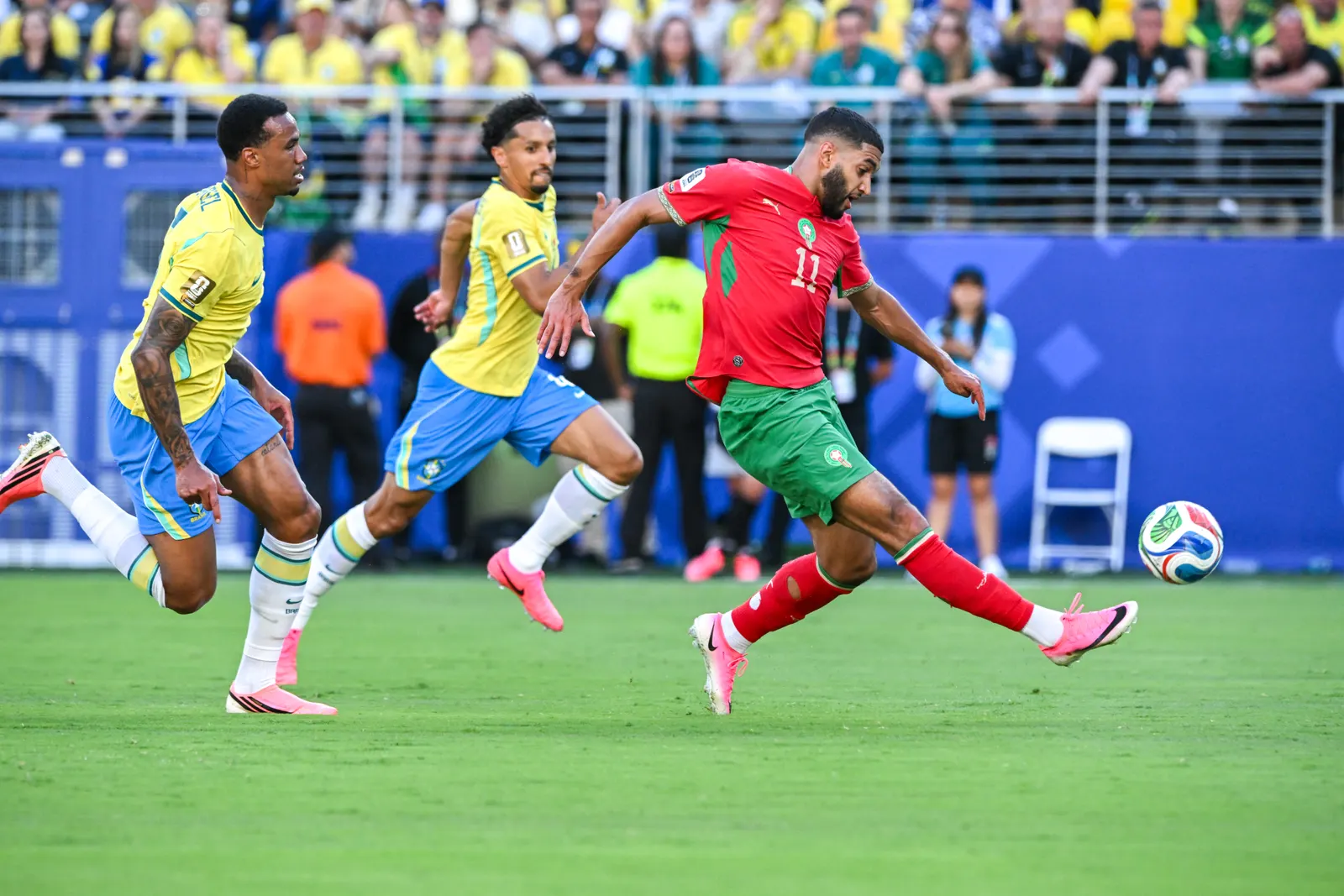
The 2026 FIFA World Cup, jointly hosted by the United States, Mexico, and Canada, is the first edition to feature 48 teams and 104 matches — a significant expansion from the 32-team, 64-match format used since 1998. For teams progressing deep into the knockout stage, this means more matches played in a shorter overall window, with less recovery time between fixtures than in previous tournaments.
This condensed calendar places sports medicine and physiotherapy teams under considerably more strain than in past editions. Squad rotation, individualised workload monitoring, and structured recovery protocols are no longer optional extras — they are central to a squad reaching the later stages of the tournament without a significant injury toll.
Where Injuries Happen: The Data
According to Riley J. Williams III, FIFA's Venue Medical Officer for the 2026 tournament, the most frequently reported injuries across major international tournaments involve the lower extremities — specifically the ankle, knee, thigh, and calf. This pattern is consistent with systematic review data on football injury epidemiology, which identifies non-contact hamstring strains, ankle sprains, and groin injuries as the leading causes of missed playing time.
A 2025 systematic review examining FIFA-endorsed injury prevention programmes found consistent reductions in ankle injury incidence among teams that implemented structured neuromuscular training, reinforcing that a large share of tournament injuries are preventable rather than purely incidental.
Prehabilitation: The FIFA 11+ Programme
The FIFA 11+ is a standardised, evidence-based warm-up programme developed specifically to reduce injury incidence in football. It replaces a traditional warm-up with a structured sequence of running, strength, plyometric, and balance exercises targeting the muscle groups and movement patterns most associated with football injuries.
- Running exercises: controlled straight-line and lateral running to prepare the cardiovascular and neuromuscular systems.
- Strength and plyometrics: single-leg squats, Nordic hamstring lowers, and lateral bounds targeting eccentric hamstring and hip strength.
- Balance and core control: single-leg stance variations and trunk stability drills to improve dynamic joint control during cutting and landing.
- Minimum dosage: performed at least twice weekly for 10–12 weeks to achieve measurable injury-reduction effects.
Cluster-randomised trials report a 40–46% reduction in overall and lower-limb injury rates in teams performing the FIFA 11+ consistently, compared with teams using a traditional warm-up.
The 72-Hour Recovery Window
In a tournament with matches scheduled just a few days apart, physiotherapy shifts from a purely rehabilitative role to an active performance-recovery one. A 2026 network meta-analysis of post-exercise recovery strategies in elite soccer players found that structured protocols combining cold-water immersion, compression garments, and sleep optimisation produced measurable improvements in next-day jump performance and reductions in perceived muscle soreness and fatigue.
Cold-water immersion at 10–15°C for 10–15 minutes has some of the most consistent supporting evidence among recovery modalities, particularly for restoring jump performance and reducing subjective fatigue after high-intensity matches. Sleep extension and daytime napping also show measurable benefit, though researchers emphasise that consistent long-term sleep hygiene outperforms acute, tournament-only interventions.
- Cold-water immersion (10–15°C, 10–15 minutes) — reduces perceived soreness and supports jump performance recovery.
- Compression garments — supports venous return and subjective recovery between closely spaced fixtures.
- Sleep optimisation — daytime naps and extended sleep windows around travel days.
- Active recovery and structured cool-down — supports circulation and lactate clearance without adding further mechanical load.
Three Countries, Three Climates: The 2026-Specific Challenge
Hosting matches across the United States, Mexico, and Canada introduces a variable that most previous tournaments did not have to the same extent: teams may play in dramatically different climates and altitudes within the same tournament. Mexico City sits at approximately 2,240 metres above sea level, which reduces oxygen availability and increases the physiological cost of high-intensity running compared to sea-level venues.
Recent evidence-based guidelines published in Sports Medicine specifically addressing the 2026 tournament recommend individualised heat-acclimatisation protocols, altitude-specific pacing strategies, and proactive hydration planning as core components of squad preparation — extending physiotherapy's role beyond injury treatment into performance-readiness planning.
Research following the Qatar 2022 World Cup also demonstrated measurable changes in match-running performance and recovery timelines among players returning to domestic leagues after tournament travel, underlining that the physiological cost of a major international tournament extends well beyond the final whistle.
What This Means for Everyday Athletes
While elite tournament medicine operates at a different scale, the underlying principles translate directly to recreational and competitive athletes in Doha: structured warm-up routines reduce injury risk, workload should be increased gradually rather than abruptly, and recovery — sleep, hydration, and targeted treatment — is not an afterthought but an active part of training.
At Iris, our Sport Performance programme applies the same evidence-based framework used at elite level — biomechanical screening, individualised load monitoring, and structured recovery protocols — to athletes and active individuals training in Doha's climate, whether preparing for a five-a-side league or a marathon.
Scientific References
- 1.The 2026 Men's FIFA Football World Cup: Evidence-Based Guidelines to Protect Player Health and Performance from Environmental Challenges — Sports Medicine
- 2.The FIFA 11+ injury prevention programme for soccer players: a systematic review — PMC
- 3.Effectiveness of FIFA injury prevention programs in reducing ankle injuries among football players: a systematic review — PMC
- 4.Efficacy of post-exercise recovery strategies for elite soccer players: a network meta-analysis — PMC
- 5.Analyzing the impact of non-participation in the FIFA World Cup Qatar 2022 on LaLiga players' physical performance — PMC